

Introduction to combinational circuits
In a combinational circuit, the output value depends solely on the current values of the inputs. The output changes almost instantaneously when the inputs change.
Combinational circuits are built from basic logic gates. They have no internal feedback (the output is not reused as an input) and they also have no memory, unlike sequential circuits. Their operation can be described completely with Boolean algebra or with truth tables.

The basic combinational circuits are: Encoders, Decoders, Multiplexers (MUX), Demultiplexers (DEMUX), Adders, Subtractors and Comparators.
In this lesson you will find the following topics:
Simple exercises, Multiplexers, Voting systems, Shifts, Numbers and BCD digits. Each topic covers a different type of circuit: you will find examples and you will have to solve exercises using basic logic gates.
The topics Simple exercises and Voting systems will introduce you to the use of truth tables and Boolean algebra with examples and basic logic exercises.

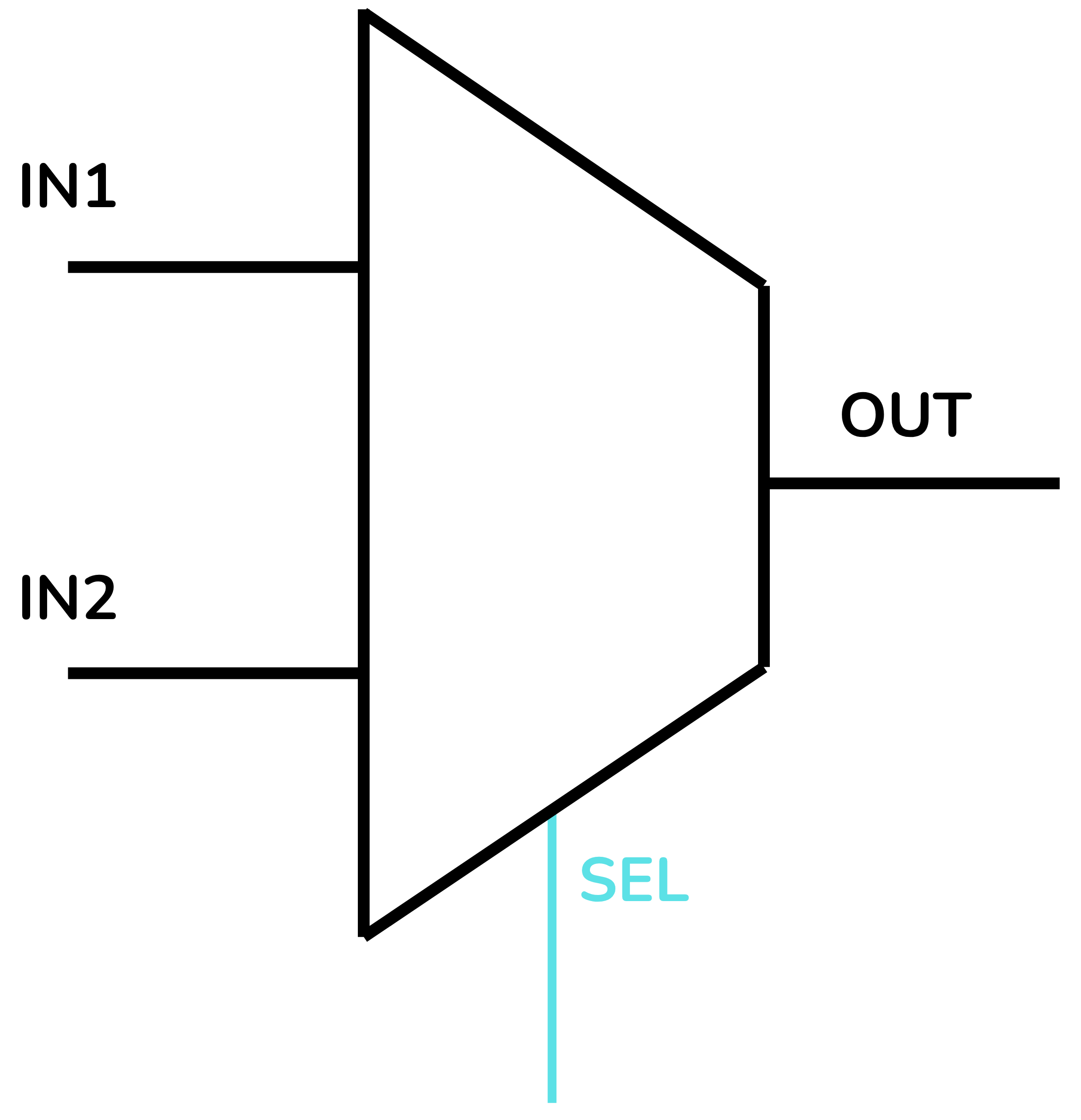
In the topic Multiplexers you will learn to create MUX devices from logic gates.

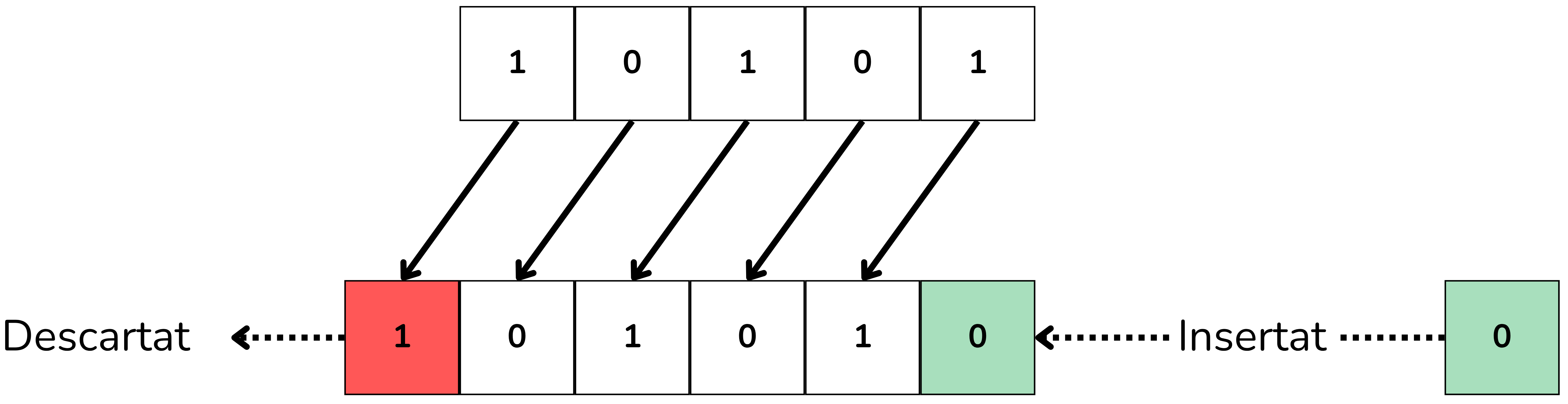
In the topic Shifts you will practice bit-shift operations and operations on bit sets.
The exercises in the topic Numbers deal with digital circuits responsible for performing arithmetic and logical operations on binary numbers.
In the topic BCD (Binary Coded Decimal) we will introduce the encoding of numbers for 7-segment displays.
Finally, in the topic Miscellany you will find a collection of exercises that combine different concepts.



Xavier Casas, Francesc Madrid
Lliçons.jutge.org
© Universitat Politècnica de Catalunya, 2026